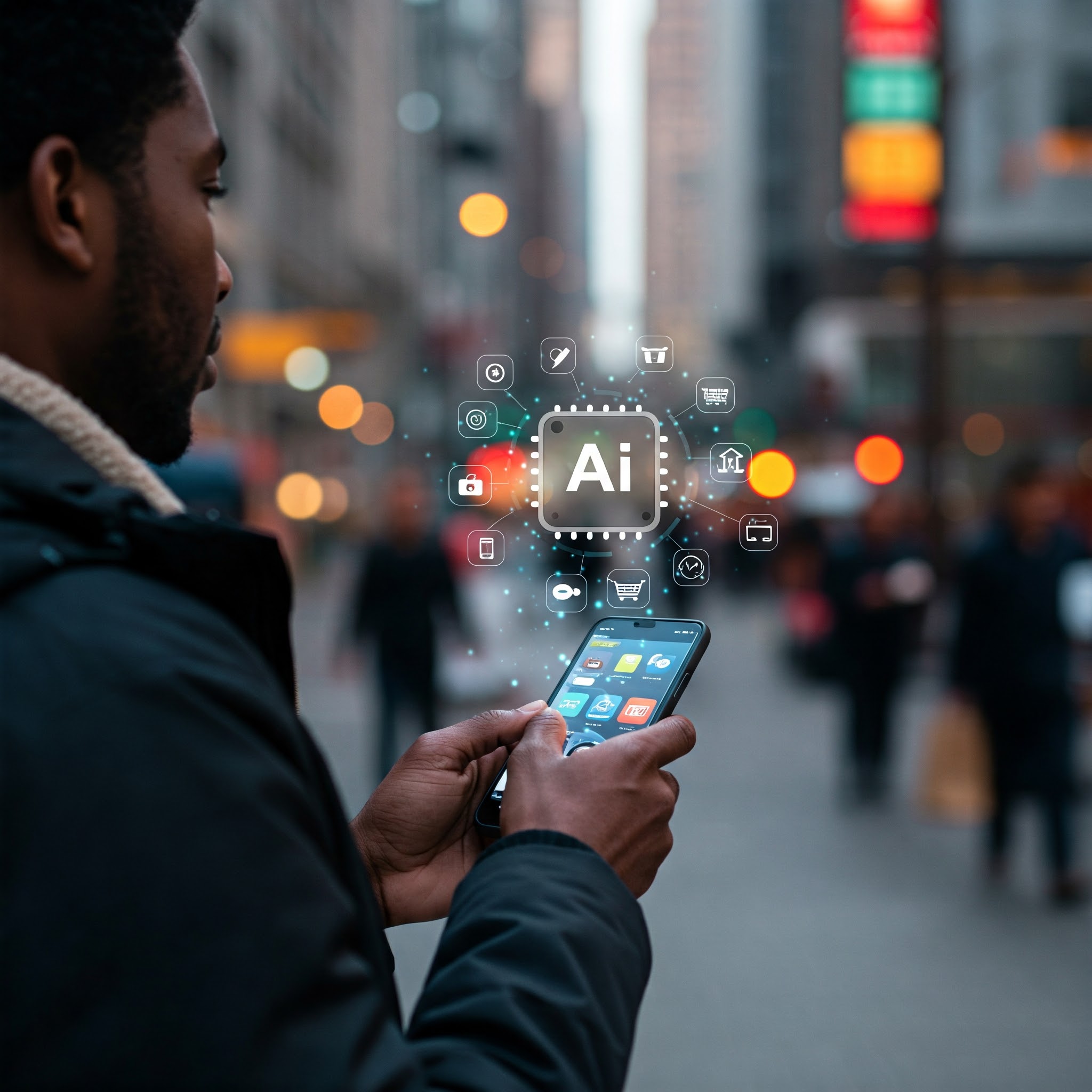

Reflecting on my journey to comprehend the multifaceted impact of artificial intelligence (AI), I am compelled by its extraordinary ability to integrate human-like understanding with the precision of machine intelligence. What was once a nascent digital frontier now pulses with the relentless rhythm of artificial intelligence. Its invisible yet pervasive tendrils interweave the fabric of consumer behaviour, fundamentally transforming decision-making processes and propelling industries into uncharted territories of innovation. Whether AI is perceived as a strategic tool or a collaborative partner in innovation, its reach is unequivocally profound, and its potential is boundless. AI stands indisputably as the unseen architect guiding modern consumer behaviour. Its evolution from a distant technological curiosity to a transformative, strategically indispensable force in daily life demands deliberate reflection. From recommending products with remarkable accuracy to anticipating individual preferences, its influence warrants scrutiny of the highest order.
Let us cultivate mindfulness of its profound impact: AI intricately shapes every facet of our decision-making landscape. Yet, how does AI alter consumer choice? Does it merely refine and simplify processes, or does it profoundly reshape the very foundations of decision-making? In truth, AI's influence transcends convenience – its ingenuity orchestrates a complex interplay of personalisation, persuasion, and predictive precision, leaving an indelible mark on industries globally. As we navigate this paradigm shift, a pressing question arises: Are we passive recipients of this transformative force, or are we active architects of its evolution? From the bustling markets of Johannesburg to the cutting-edge e-commerce platforms of London, the implications are both profound and multifaceted, urging leaders to engage with these dynamics to shape the future of global commerce.
AI and the Psychology of Consumer Decision-Making: Exploring Influence and Autonomy
At its essence, consumer decision-making is deeply rooted in psychological dynamics, shaped by cognitive biases, heuristics – those mental shortcuts that simplify complex choices – and emotional triggers. The rise of AI has profoundly redefined these processes, refining them to a level of precision previously unimaginable. Through the power of machine learning and big data, AI systems leverage consumer psychology to create seamless, almost frictionless product selection experiences.
In South Africa's expanding e-commerce sector, AI-driven chatbots exemplify this transformation, guiding consumers through personalised purchasing journeys with subtle yet compelling influence. On a global scale, platforms such as Amazon and Alibaba employ advanced AI algorithms to anticipate consumer desires, even before those desires are consciously articulated, crafting a sense of inevitability around purchase decisions.
This unprecedented curation of choice compels us to confront a critical question: Does true consumer autonomy persist in an AI-dominated ecosystem? The challenge for leaders lies in safeguarding the delicate balance between technological precision and the preservation of consumer agency. In shaping this balance, businesses and policymakers alike bear the responsibility to ensure that AI remains a tool of empowerment, enabling informed choices rather than dictating them.
AI’s Pervasive Role and Influence on Consumer Decision-Making: A Subtle yet Profound Force
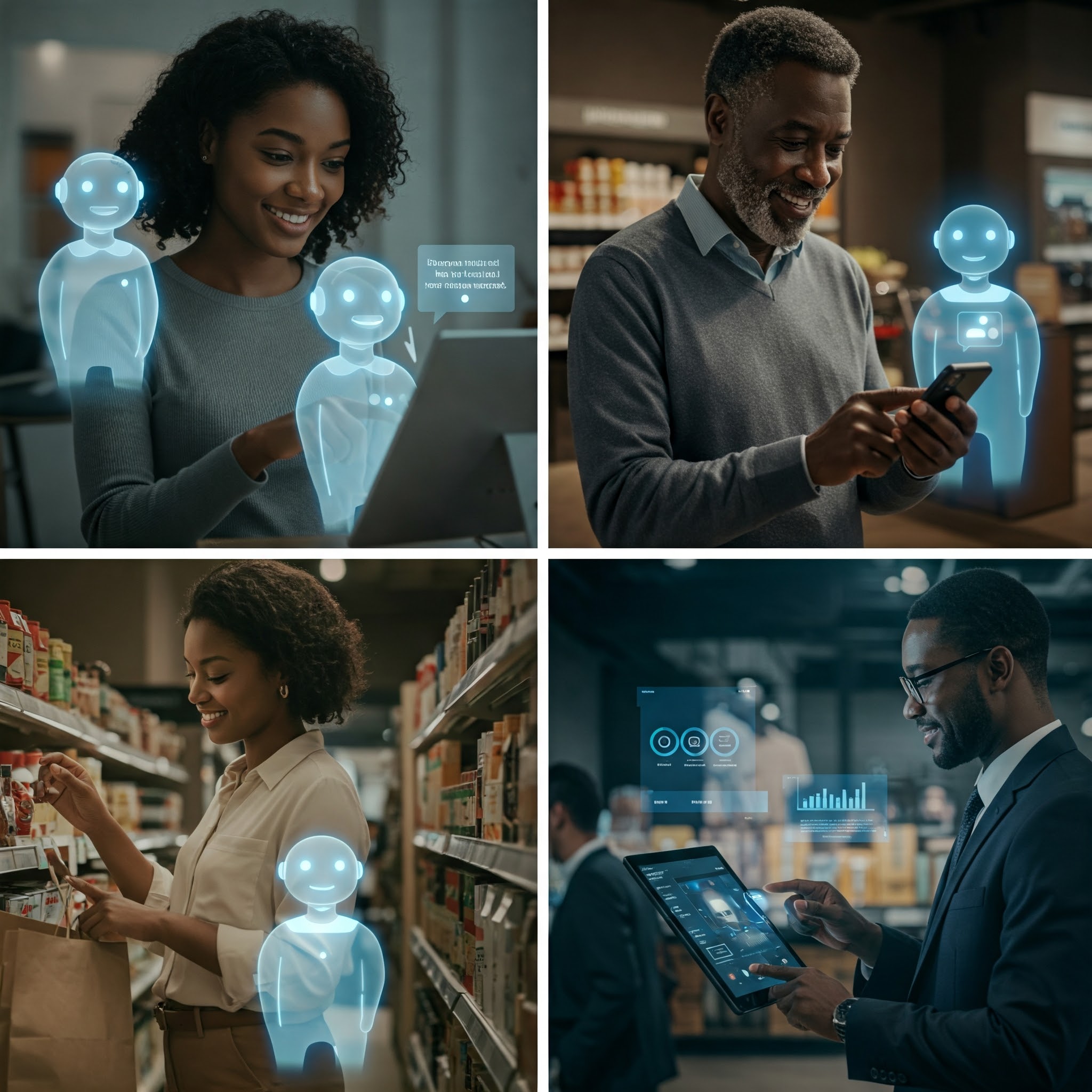
What compels us to favour one product over another? Is it the allure of brand loyalty, the rationale of pricing, or the ease of convenience – or is AI subtly orchestrating the final purchase decision? AI algorithms, fortified by machine learning and predictive analytics, decipher data patterns to deliver bespoke experiences tailored to individual preferences.
AI operates as an omnipresent yet inconspicuous force within the decision-making process, curating interactions to align seamlessly with specific consumer needs. How often do we pause to interrogate the algorithms driving Netflix recommendations or the targeted advertisements embedded in our social media feeds? Beneath these ostensibly intuitive features lies the transformative capability of AI, a technological force that parses vast datasets to anticipate consumer desires and needs with unparalleled precision.
For instance, consider the South African consumer. Picture a Cape Town resident receiving bespoke travel suggestions for the Garden Route, derived from their digital footprint reflecting a penchant for hiking and scenic drives. Such recommendations are no coincidence; they epitomise the calculated brilliance of AI-driven personalisation. This phenomenon underscores the fact that AI does not merely facilitate consumer decisions – it intricately shapes them, often without overt consumer awareness.
Yet, as AI accelerates personalisation to unprecedented levels, it compels us to confront ethical dilemmas. Does such profound influence diminish consumer autonomy, or does it enhance the shopping journey? I submit that equilibrium is paramount. Transparency and informed consent must underpin AI-driven interactions, safeguarding the integrity of consumer agency and ensuring active participation in decision-making processes.
The Transformative Impact of AI on Consumer Decision-Making Manifests Across Six Key Dimensions:
1. Tailored Recommendations: By analysing consumer behaviour, purchase history, and browsing data, AI algorithms propose products and services meticulously aligned with individual preferences. Platforms such as Amazon and Netflix exemplify this ability to cater with uncanny accuracy.
2. Strategic Targeting: AI empowers marketers to design precision-targeted campaigns by interpreting vast datasets encompassing demographics, interests, and behavioural patterns, thereby maximising resonance with specific audiences.
3. Elevated Consumer Experience: AI-driven virtual assistants and chatbots offer instantaneous support, address inquiries, and guide consumers seamlessly through their decision-making journeys, fostering satisfaction and loyalty.
4. Dynamic Pricing Models: Leveraging insights into market trends, demand fluctuations, and competitive landscapes, AI formulates pricing strategies that optimise profitability while shaping real-time purchase decisions.
5. Social Sentiment and Collective Wisdom: AI tools analyse online reviews, ratings, and social media discourse, enabling consumers to make informed decisions influenced by societal sentiment and peer validation.
6. Predictive Analytics: AI anticipates latent consumer needs and emerging trends, presenting solutions before consumers are even aware of their challenges.
For those of us who hold authenticity and transformative vision in high regard, capitalising on these insights provides a profound opportunity to design campaigns that captivate and guide with strategic efficacy. To esteemed leaders and trailblazers, I pose this challenge: How do you envision harnessing these paradigms to redefine consumer engagement in your respective domains?
Examples of AI Shaping Consumer Decisions: Practical Realities
From online retail to healthcare, the influence of AI on consumer decisions is both omnipresent and transformative. Consider the operations of food delivery platforms such as Uber Eats in South Africa, where AI algorithms optimise delivery routes and curate restaurant suggestions tailored to user preferences. Similarly, AI-powered chatbots are revolutionising customer service by delivering instant, personalised responses, significantly reducing friction in the consumer journey and heightening satisfaction levels.
On a global scale, industries such as fashion are strategically leveraging AI to shape consumer choices. Zara, for instance, employs AI to analyse purchasing trends and dynamically adjust inventory, achieving unparalleled alignment between supply and demand. These innovations are not merely enhancing efficiency; rather, they are fundamentally redefining the ways in which consumers engage with brands, injecting dynamism and responsiveness into the marketplace once thought unattainable.
If further persuasion is required regarding the profound capabilities of AI in steering consumer decisions, the following examples illuminate its transformative power:
1. Spotify and Music Recommendations: Spotify's AI algorithms meticulously analyse listening habits to recommend songs, playlists, and podcasts, exemplified through its "Discover Weekly" feature. These recommendations not only sustain engagement but subtly influence user music choices.
2. Amazon's Product Suggestions: AI at Amazon curates product recommendations based on browsing history, purchasing behaviour, and patterns exhibited by similar users, streamlining decision-making and spurring impulse purchases.
3. Dynamic Pricing in Airlines: Airlines utilise AI to dynamically adjust ticket prices by analysing demand fluctuations, booking timelines, and competitor pricing, influencing the timing and destination of consumer travel decisions.
4. Netflix's Personalised Content: AI-driven recommendation engines analyse user viewing habits and predict preferences, profoundly shaping what users watch next, thereby enhancing engagement.
5. Coca-Cola's Marketing Campaigns: Coca-Cola capitalises on AI to interpret consumer data and craft personalised marketing initiatives, such as customised labels and targeted advertisements that resonate powerfully with distinct demographic groups.
6. Virtual Beauty Try-Ons: Sephora leverages augmented reality tools powered by AI to enable users to "try on" makeup virtually, fostering confidence in purchase decisions while mitigating risk.
7. AI in Grocery Shopping: Retailers like Tesco and Woolworths analyse purchase histories to deploy targeted promotions that influence shopping behaviour and expand consumer spending.
For those of us deeply invested in the intersection of marketing and artificial intelligence, these strategies present transformative opportunities. Authenticity and impact can be achieved by employing AI not simply as a tool but as a strategic partner in crafting campaigns that guide consumers with precision and purpose.
Unseen Hands: Are Consumers Aware of AI’s Subtle Influence?
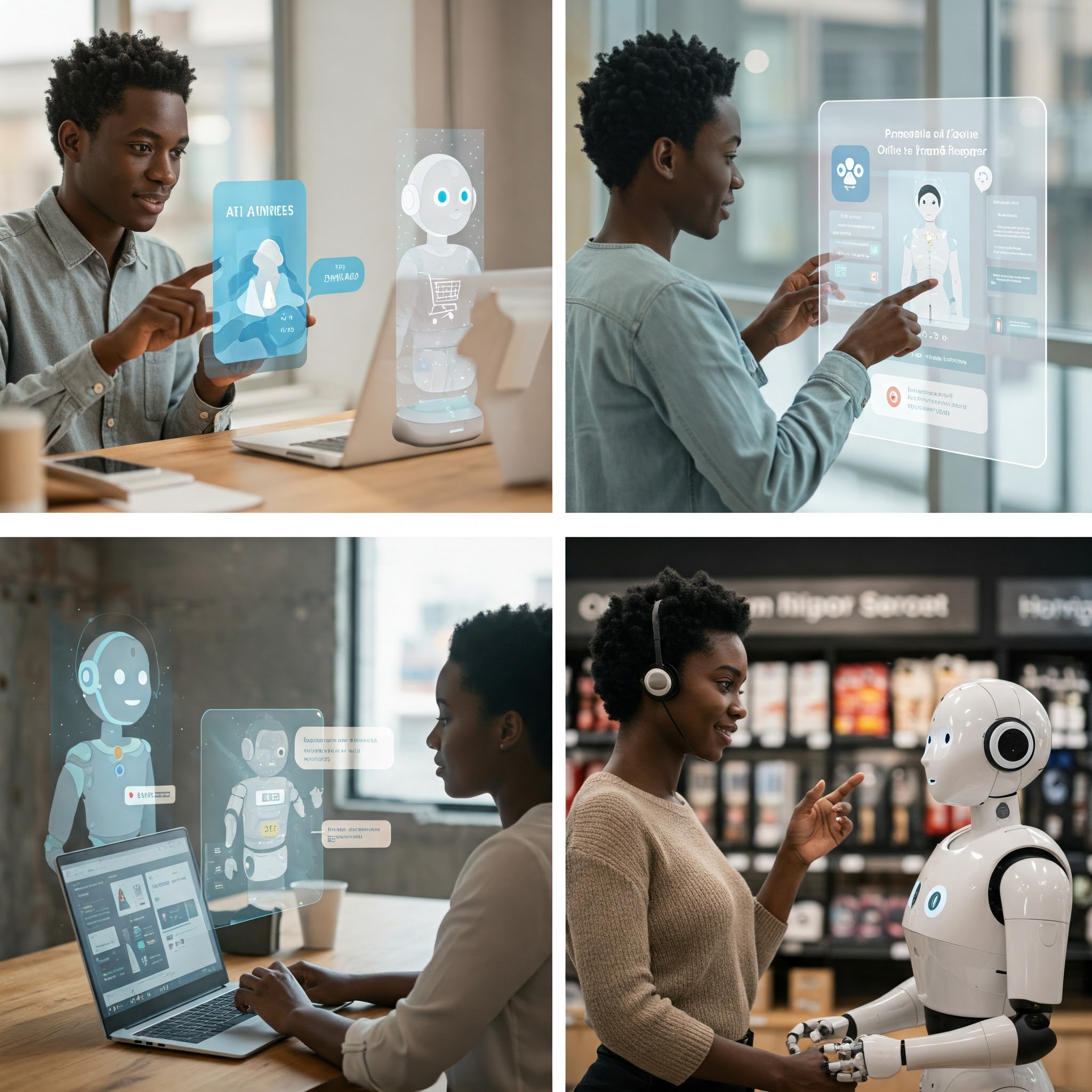
Are consumers aware that AI does not merely observe their behaviour but anticipates it? Consider, for example, predictive text in online searches, which often directs consumers towards trending products or topics. When searching for a mobile phone, AI may recommend models within a defined budget, while subtly incorporating trending brands to nudge consumers towards market leaders. While this approach offers undeniable advantages, it also raises a critical question: Are consumers exercising true agency, or are their choices confined to AI-curated frameworks?
The extent to which AI influences decision-making is often underestimated. While some individuals may consciously recognise AI's role in personalised recommendations, such as curated shopping lists or tailored streaming suggestions, many remain unaware of the depth and subtlety of its reach. Operating seamlessly in the background, AI optimises advertisements, refines product placement, and dynamically adjusts pricing based on individual behavioural patterns. For instance, South African consumers engaging with platforms like Takealot may believe their purchasing decisions are entirely autonomous. Yet, in reality, sophisticated AI algorithms profoundly influence these interactions. Similarly, global platforms like Spotify and Netflix subtly guide preferences under the guise of convenience.
This dynamic raises a pivotal reflection: Does the convenience afforded by AI blind consumers to the gradual erosion of their autonomy? The truth remains that informed awareness of AI’s pervasive influence is limited. To address this, strategies must focus on empowering consumers through enhanced digital literacy and transparency in AI systems, mechanisms, and algorithms. By fostering such awareness, individuals can make decisions rooted in both independence and insight, regaining control over their choices.
For businesses, the challenge lies in striking an equilibrium. Personalisation must be underpinned by ethical practices, where transparency and accountability fortify consumer trust while allowing innovation to flourish. In doing so, organisations can foster a sustainable and responsible approach to leveraging AI in consumer engagement.
Expanding Horizons: AI’s Influence Beyond Consumer and Business
The transformative influence of AI extends far beyond consumers, business and commerce – its impact resonates across education, environmental sustainability, and personal development. In education, AI is revolutionising the learning experience through personalisation, enabling students to master topics at their own pace with precision.
For instance, South African EdTech innovators harness AI to empower learners with adaptive tools that drive skill acquisition and academic success. In the realm of sustainability, AI equips organisations to monitor energy consumption with unparalleled accuracy, optimise resource allocation, and reduce waste, advancing global efforts towards environmental stewardship. On a personal level, AI-powered platforms such as MyFitnessPal provide individuals with bespoke health guidance, shaping healthier lifestyles through actionable insights.
Across these domains, AI unlocks unprecedented opportunities for human progress. Imagine the profound impact of a young student mastering coding through immersive, AI-driven exercises, or an individual achieving mental resilience through tailored, AI-enabled therapies. Such advancements lead us to reflect on a pivotal question: Can AI deepen humanity’s potential while safeguarding the essential fabric of human connection? To realise its promise, the integration of AI must prioritise ethical considerations and human-centric innovation, ensuring that progress enriches society without compromising our shared humanity.
Ethical Considerations: Consumer Trust
As AI becomes increasingly embedded in the fabric of society, ethical considerations regarding data privacy, algorithmic bias, and consumer manipulation demand urgent attention. Can consumers rely on AI systems to act in their best interests? The Facebook-Cambridge Analytica scandal unveiled the perilous consequences of AI-driven microtargeting, exposing consumers to manipulation based on their digital footprints. In South Africa, the implications of AI-powered credit scoring systems disproportionately affecting low-income groups underscore the necessity of robust ethical AI governance. For businesses, navigating this complex ethical terrain requires a steadfast commitment to ensuring AI operates as an enabler of progress, not a tool for exploitation.
Practical Strategies: Consumers and Businesses
Unlocking AI's transformative potential without succumbing to its pitfalls requires proactive strategies for both consumers and organisations. For consumers, understanding data privacy practices and recognising AI-driven recommendations is imperative in reclaiming decision-making autonomy. Digital literacy and critical awareness emerge as foundational tools in navigating an AI-driven world. By evaluating personalised suggestions, deploying privacy-enhancing technologies, and acknowledging algorithmic biases, individuals can make informed decisions with greater control over their choices.
For businesses, integrating AI into operations necessitates a strategy grounded in transparency and ethical use. AI-powered tools, such as chatbots, should be employed to enhance customer experiences while safeguarding the irreplaceable value of human interaction. Responsible AI implementation calls for ensuring algorithmic equity, fostering consumer trust, and prioritising ethical accountability. In doing so, organisations can position AI as an augmentation of human decision-making rather than a substitute for it.
For long-term success, continuous learning remains essential. South African professionals, for instance, can enrol in programs at institutions like the University of Cape Town to refine their expertise in AI applications. On a global stage, businesses must champion innovation while respecting consumer boundaries, ensuring AI enriches lives and drives societal progress, without overshadowing the human essence at its core.
Undeniably Vast Influence of AI on Consumers: A Future Shaped by AI and Consumer Agency

The profound influence of AI on consumer behaviour is indisputable. It not only shapes decision-making processes but also drives industry innovation and permeates every facet of commerce and society. As we navigate this transformative landscape, a critical awareness of the ethical implications becomes imperative. Businesses and leaders must harness AI's vast potential with a strategic, ethical, and forward-thinking approach that ensures technology serves as a force for societal betterment.
When employed responsibly, AI has the power to unlock unparalleled opportunities for growth and innovation, creating a future where technology empowers consumers and fosters sustainable progress. Yet, as AI continues to redefine consumer behaviour and industry dynamics, the balance between automation and human agency remains a central and pressing concern. Will consumers become passive participants in an AI-dominated reality, or will they reclaim their decision-making autonomy through heightened awareness and robust regulation?
The answer lies in the actions of businesses and policymakers who will shape AI’s societal role. One reality stands clear: AI is not merely influencing decisions – it is scripting the future of commerce itself. The challenge, and indeed the responsibility, is to ensure this future becomes one of empowerment rather than control, where technological advancement fortifies humanity’s potential and preserves its autonomy.
Images by Bandile Ndzishe of Bandzishe Group
About bandile ndzishe

Bandile Ndzishe is the CEO, Founder, and Global Consulting CMO of Bandzishe Group, a premier global consulting firm distinguished for pioneering strategic marketing innovations and driving transformative market solutions worldwide. He holds three business administration degrees: an MBA, a Bachelor of Science in Business Administration, and an Associate of Science in Business Administration.
With over 29 years of hands-on expertise in marketing strategy, Bandile is recognised as a leading authority across the trifecta of Strategic Marketing, Daily Marketing Management, and Digital Marketing. He is also recognised as a prolific growth driver and a seasoned CMO-level marketer.
Bandile has earned a strong reputation for delivering strategic marketing and management services that guarantee measurable business results. His proven ability to drive growth and consistently achieve impactful outcomes has established him as a well-respected figure in the industry.
As an AI-empowered and an AI-powered marketer, I bring two distinct strengths to the table: empowered by AI to achieve my marketing goals more effectively, whilst leveraging AI as a tool to enhance my marketing efforts to deliver the desired growth results. My professional focus resides at the nexus of artificial intelligence and strategic marketing, where I explore the profound and enduring synergy between algorithmic intelligence and market engagement.
Rather than pursuing ephemeral trends, I examine the fundamental tenets of cognitive augmentation within marketing paradigms. I analyse how AI's capacity for predictive analytics, bespoke personalisation, and autonomous optimisation precipitates a transformative evolution in consumer interaction and brand stewardship. By extension, I seek to comprehend the strategic applications of artificial intelligence in empowering human capability and fostering innovation for sustainable societal advancement.
In essence, I explore how AI augments human decision-making in both marketing and other domains of life. This is not merely an interest in technological novelty, but a rigorous investigation into the strategic implications of AI's integration into the contemporary principles of marketing practice and its potential to reshape decision-making frameworks, enhance strategic foresight, and influence outcomes in diverse areas beyond the marketing sphere.