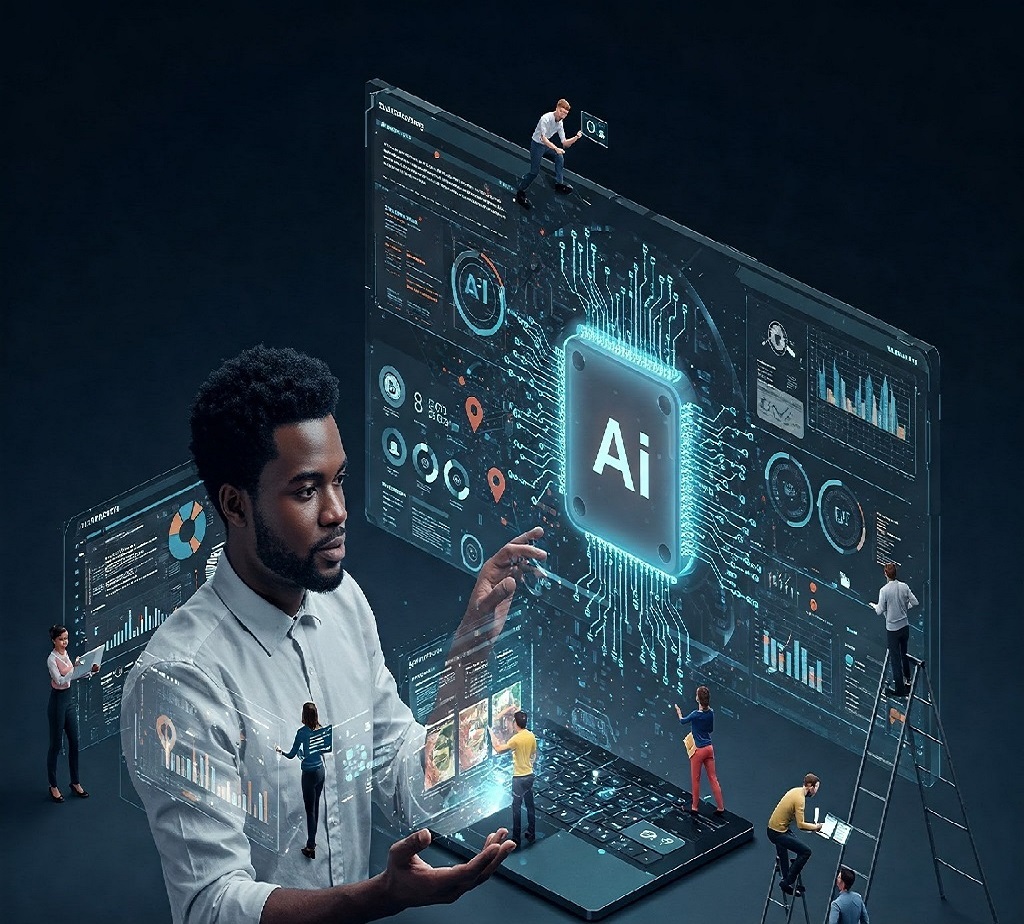

Does the distinction between an AI-empowered Chief Marketing Officer (CMO) and an AI-powered CMO really matter? At first glance, the difference may seem negligible, but it is absolutely not. A deeper exploration reveals two distinct philosophies with profound implications for organisations aiming to strike the perfect balance between automation and humanity. Both roles utilise artificial intelligence (AI) extensively, yet their core approaches, focus, influence and long-term impact diverge significantly.
In an epoch where AI is radically redesigning the business landscape, marketing leaders stand at a critical crossroads. Should they embrace AI as a strategic enabler, augmenting their decision-making with sophisticated insights, or should they allow AI to take the reins, automating vast swathes of their operations? The contrast between an AI-Empowered CMO and an AI-Powered CMO represents two distinct philosophies in marketing leadership, each with its own strategic strengths and operational implications.
The Evolution of AI in Marketing Leadership Presents AI-Empowered CMO versus AI-Powered CMO
AI's journey in marketing leadership has been one of transformation. Initially viewed as a supporting tool – an extension of data analytics and automation – AI has now emerged as a strategic partner. Marketing leaders face a pivotal choice: rely on AI as a powerful tool (AI-powered) or integrate it as an enabler of transformative, human-led innovation (AI-empowered).
A key turning point in this evolution is the recognition that AI's real value lies not just in efficiency but in its ability to augment human creativity and decision-making. As we delve into this paradigm, we uncover how the future of marketing leadership hinges on this distinction.
An AI-Empowered CMO: The Strategist with a Human Core Who Harnesses Intelligence for Strategic Excellence
Picture a marketing leader who seamlessly integrates AI as a tool to enhance strategic decision-making, spark creativity, and amplify human-centric leadership. This is the essence of an AI-empowered CMO. They leverage AI’s analytical power to decode consumer behaviour, forecast emerging trends, and optimise campaign outcomes – but they never lose sight of the human element. For them, AI is an enabler, not a decision-maker.
An AI-Empowered CMO leverages AI as an augmentation tool that enhances human intuition, innovation and productivity. This leader remains firmly in control, using AI to generate insights and turbocharge the marketing organisation’s overall high performance and effectiveness while retaining the human touch that is indispensable in brand storytelling and customer engagement. AI-empowered CMOs are visionaries who don't just use AI to refine existing processes – they harness it to reimagine customer experiences. Picture a CMO who employs AI to predict emerging consumer needs, crafting tailored campaigns that not only anticipate demand but also foster emotional connections.
For instance, an AI-empowered CMO might design a multi-channel campaign using AI-driven insights. However, their human expertise ensures the messaging resonates emotionally and culturally. This equilibrium fosters authenticity, a quality no algorithm can truly replicate. Meditate on the following case studies for a moment:
Case Study 1: Nando’s South Africa known for its cheeky marketing campaigns, Nando’s embodies the AI-empowered philosophy. By using AI to track real-time social media sentiment, they respond to trending topics almost instantly – while ensuring the tone remains culturally relevant and uniquely "Nando’s". For instance, during key social or political moments, their campaigns integrate AI insights into humour-laden ads that strike a chord with South African audiences.
Yet, what makes these campaigns truly impactful? The CMO’s intuitive understanding of South African humour, cultural nuances, and the socio-political landscape. Authenticity, after all, cannot be programmed.
Case Study 2: Consider the case of South Africa’s leading telecommunications company, MTN. Its AI-driven customer segmentation strategy empowers marketing leaders with hyper-personalised insights, allowing them to tailor messaging that resonates with distinct audience groups. AI serves as a sophisticated co-pilot, yet final strategic decisions remain in the hands of the CMO, ensuring that the brand’s voice maintains its unique, human-centred character.
Case Study 3: Similarly, in the global financial services sector, JPMorgan Chase employs AI to analyse vast amounts of transactional data to detect fraud patterns. However, an AI-Empowered CMO at JPMorgan ensures that AI is used not just for risk mitigation but also for delivering tailored financial products, with human oversight ensuring ethical considerations and regulatory compliance are met.
Why is this approach so crucial? Because AI alone cannot replicate the nuanced understanding of human emotion, cultural context, or ethical considerations that seasoned marketing leaders bring to the table. AI may analyse sentiment trends, but an AI-Empowered CMO interprets these insights within the broader business strategy, ensuring that marketing initiatives remain aligned with corporate values and long-term vision.
An AI-Powered CMO: Efficiency Over Empathy with the Rise and Rise of Autonomous Marketing
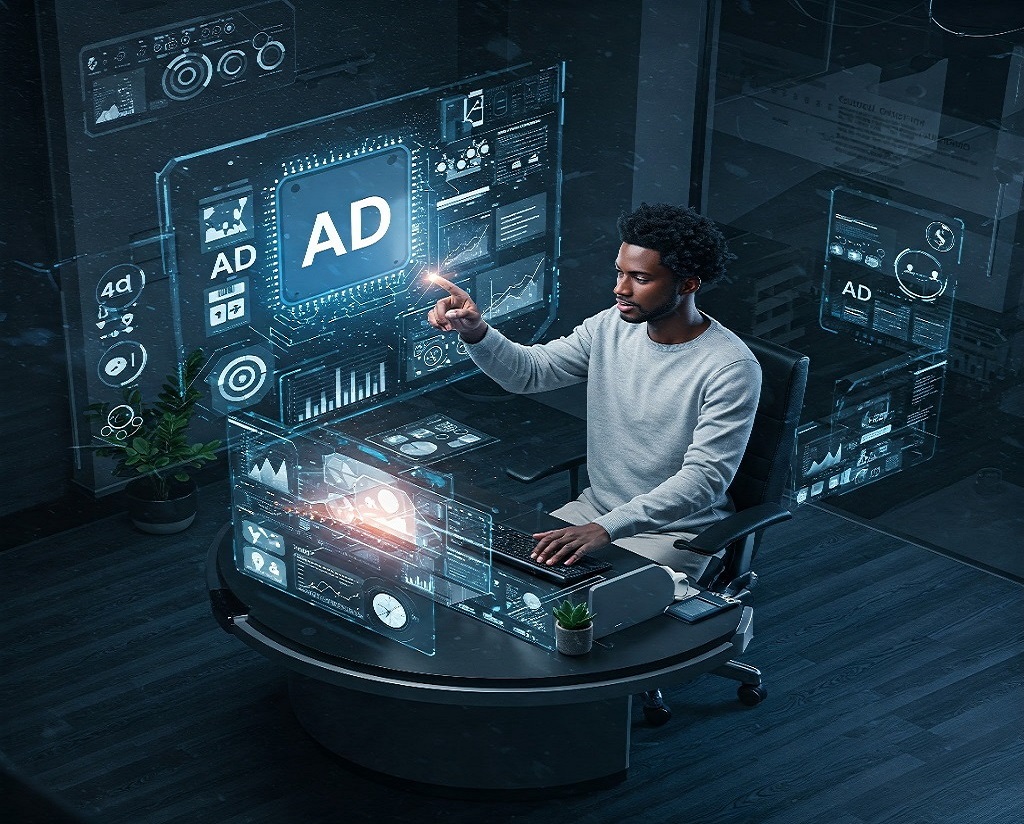
Conversely, imagine a scenario where critical marketing decisions are delegated to algorithms. This is the domain of the AI-powered CMO. Their focus is on efficiency, scalability, and data-driven precision. By automating processes such as personalised content delivery, real-time ad placements, and predictive lead scoring, they optimise campaigns at a breathtaking speed.
An AI-Powered CMO represents a shift towards automation-led marketing, where AI not only provides insights but also executes, optimises, and scales marketing operations with minimal human intervention. AI-driven programmatic advertising, chatbots, and automated repetitive tasks form the backbone of this model. While this approach excels in delivering heightened marketing productivity and high-performance marketing department, it can sometimes lack the human intuition required for nuanced decision-making. For instance, a CMO might use AI to optimise digital advertising spend across channels, achieving impressive ROI through algorithmic precision. Excellent, but it carries significant risks without human involvement at crucial intervals.
Case Study 4: Amazon’s marketing success often exemplifies an AI-powered approach. With billions of customers, their reliance on AI for hyper-personalised recommendations, pricing algorithms, and programmatic advertising is inevitable. Campaigns are executed with unparalleled efficiency, reaching the right consumer at the right time with near-perfect accuracy. The AI-Powered CMO entrusts AI to handle vast amounts of marketing decisions autonomously, reducing reliance on human intuition while maximising efficiency and scalability. But does this approach foster emotional connection? Critics argue that over-reliance on AI can sometimes make interactions feel transactional rather than relational.
Case Study 5: Closer to home, South African e-commerce giant Takealot relies heavily on AI-powered automation to optimise inventory management, pricing strategies, and customer experience. While these AI-driven capabilities drive efficiency, a fully AI-Powered CMO could risk missing nuanced shifts in consumer sentiment that require human-led adaptation.
Is this the future of marketing? While an AI-Powered CMO benefits from real-time data processing and rapid execution, the absence of human oversight risks a disconnect between brand messaging and customer sentiment. Automation can lead to unforeseen reputational risks if AI-generated content misinterprets cultural sensitivities or ethical considerations.
Finding the Right Equilibrium: Actionable AI Marketing Strategies Through the Hybrid Approach for Optimal Marketing Leadership
Should marketing leaders surrender to AI or merely embrace it as an assistant? The reality is that the most effective CMOs are neither purely AI-Empowered nor wholly AI-Powered. The future belongs to those who strike a balance – leveraging AI as a powerful tool while maintaining a human-led strategic vision. Let’s dive into strategies that bridge this gap.
Case Study 6: Consider Discovery Bank, the South African insurance and financial services giant. By employing AI for predictive analytics in customer wellness programmes while ensuring human oversight in customer experience strategy, Discovery’s marketing team exemplifies the hybrid approach. AI handles data-heavy processes, but human leaders steer the brand’s storytelling, ensuring that technology enhances rather than diminishes the human connection with customers.
So, what’s the secret to combining the best of both worlds? Is it even possible to balance automation with empathy, or does leaning too far in either direction risk compromising long-term success? What does this mean in practice? It means AI can generate detailed customer insights, but a CMO must interpret these insights through the lens of long-term brand positioning. It means AI can automate customer interactions, but human marketers must ensure these interactions remain authentic and emotionally resonant.
How can executives ensure this balance? By implementing AI governance frameworks that delineate where human intervention is essential. CMOs must cultivate AI literacy within their teams, ensuring that while AI automates and optimises, human marketers remain the final arbiters of brand narrative and ethical considerations.
Rely on Human Judgment to Interpret AI Insights: Use AI to process data, but apply human judgement in its interpretation. This means you combine intuition with insight. Practical example: Analyse sentiment data from social platforms, but adjust the campaign’s tone to reflect cultural sensitivities specific to your audience. AI offers precise predictions, but how does a CMO ensure these insights resonate with an audience? Consider a hypothetical situation: A South African retailer uses AI to identify that sustainable products are trending. Rather than blindly launching an ad campaign, an AI-empowered CMO might evaluate these findings through the lens of local consumer behaviours, tailoring messaging to align with South Africa’s growing interest in eco-conscious living.
Leveraging the Power of Storytelling: Whilst AI can generate copy and visuals, the narrative must still strike a chord with shared human experiences. Utilise AI to identify trending topics, but develop stories that inspire and foster emotional connections. Why do some campaigns linger in memory while others are forgotten? The secret lies in emotional narratives. An AI-powered system might propose content ideas, but storytelling demands human creativity.
Case Study 7: For instance, Coca-Cola’s “Share a Coke” campaign combined AI-driven data on consumer names with the universally human desire for connection. Would it have succeeded without the human insight into emotional marketing? Probably not.
Creating Agility with AI-Empowered Oversight: In a trading environment where market dynamics shift overnight, agility is crucial. Both AI-powered automation and AI-empowered human decision-making thrive in agile environments. Develop systems where AI facilitates rapid responses, with human oversight ensuring quality.
Circling back to MTN South Africa, the company provides an excellent example. By deploying AI to monitor call-centre data, MTN identifies pain points and adjusts marketing strategies in real-time. The crucial oversight by their marketing leaders ensures these adjustments remain customer-focused, illustrating how agility thrives when human intuition guides AI efficiency.
Building AI-Literate Teams: If CMOs are the architects, their teams are the builders. Can a marketing team truly succeed if they lack AI literacy? Revisiting the Discovery brand, progressive organisations like Discovery Health have invested in upskilling their marketing teams. By blending AI proficiency with human creativity, they empower their teams to craft campaigns that are both data-informed and deeply engaging. Equip your marketing teams with AI literacy to stay competitive. This transforms them into AI-empowered contributors.
The Practical Impact: Why This Matters?
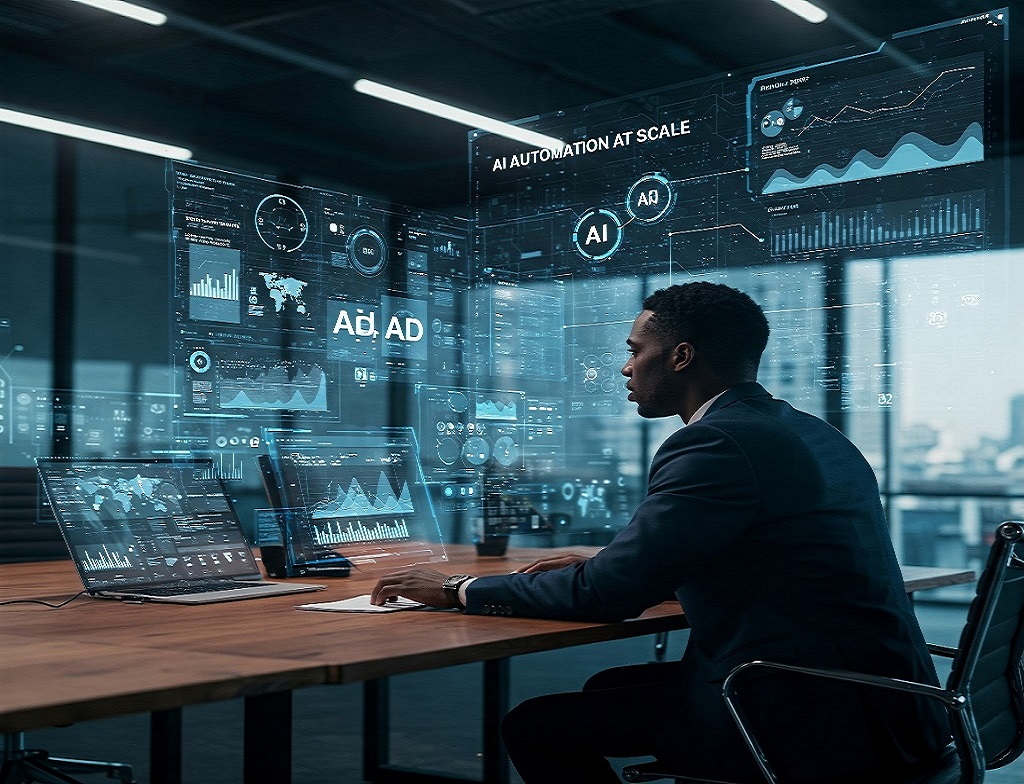
For Businesses: AI-powered roles enhance operational efficiency, delivering measurable results. However, AI-empowerment elevates a business to a strategic advantage. AI-empowered CMOs drive innovation, catalyse growth, and foster adaptability in competitive markets. Their ability to merge AI's analytical prowess with human insight positions their organisations as industry leaders.
For Customers: An AI-empowered approach prioritises customer-centricity, blending AI's precision with human empathy. AI-powered tactics might target customers effectively, but AI-empowerment builds trust, loyalty, and long-term relationships.
Dual Strategy Practical Example: Consider a South African retail brand aiming to penetrate new markets. An AI-powered strategy could optimise pricing models and streamline supply chains. Meanwhile, an AI-empowered strategy could delve into local consumer behaviours, crafting culturally relevant campaigns that resonate with diverse communities. By empowering leadership with AI, the brand would achieve not only operational success but also cultural relevance.
A Moment for Reflection
As I reflect on these paradigms, I’m drawn to a personal insight: Leadership in the age of AI isn't about choosing between AI-empowerment and AI-power – it’s about wielding both wisely. CMOs are no longer just custodians of brand equity; they are orchestrators of complex ecosystems where data, technology, and human emotion intersect. The question isn’t whether AI will take over; it’s whether leaders will leverage it to elevate humanity.
Reflecting on this, I often ask myself: Would I trust AI to craft a brand’s entire storytelling approach? The answer is a resounding no. AI is a phenomenal assistant, but the heart of marketing remains human. The most effective CMOs are those who recognise that while AI can refine strategy, interpret data, and automate operations, the irreplaceable elements of creativity, emotional intelligence, and ethical judgment must always remain within the purview of human leadership.
The Road Ahead
Globally and locally, companies are beginning to recognise that a purely AI-powered approach risks alienating audiences, while a solely AI-empowered one may lack the scalability to compete. But what if the choice isn’t binary? By combining AI-powered efficiency with AI-empowered empathy, organisations can redefine marketing success.
Are we, as marketing professionals, prepared to adapt to this dual mindset? How will we train the next generation of CMOs to navigate this complex terrain? These questions invite us to challenge our assumptions about technology’s role in leadership. The most successful marketing leaders will be those who master both strategies, applying AI where it excels while preserving the irreplaceable human essence of strategic decision-making.
Ultimately, the distinction between an AI-Empowered CMO and an AI-Powered CMO is not merely academic – it is a fundamental strategic decision that will define and shape the future of marketing leadership. So, the question remains: Are you ready to lead in the AI-empowered era, or are you content to let AI automation chart the course?
Images by Bandile Ndzishe of Bandzishe Group
About bandile ndzishe
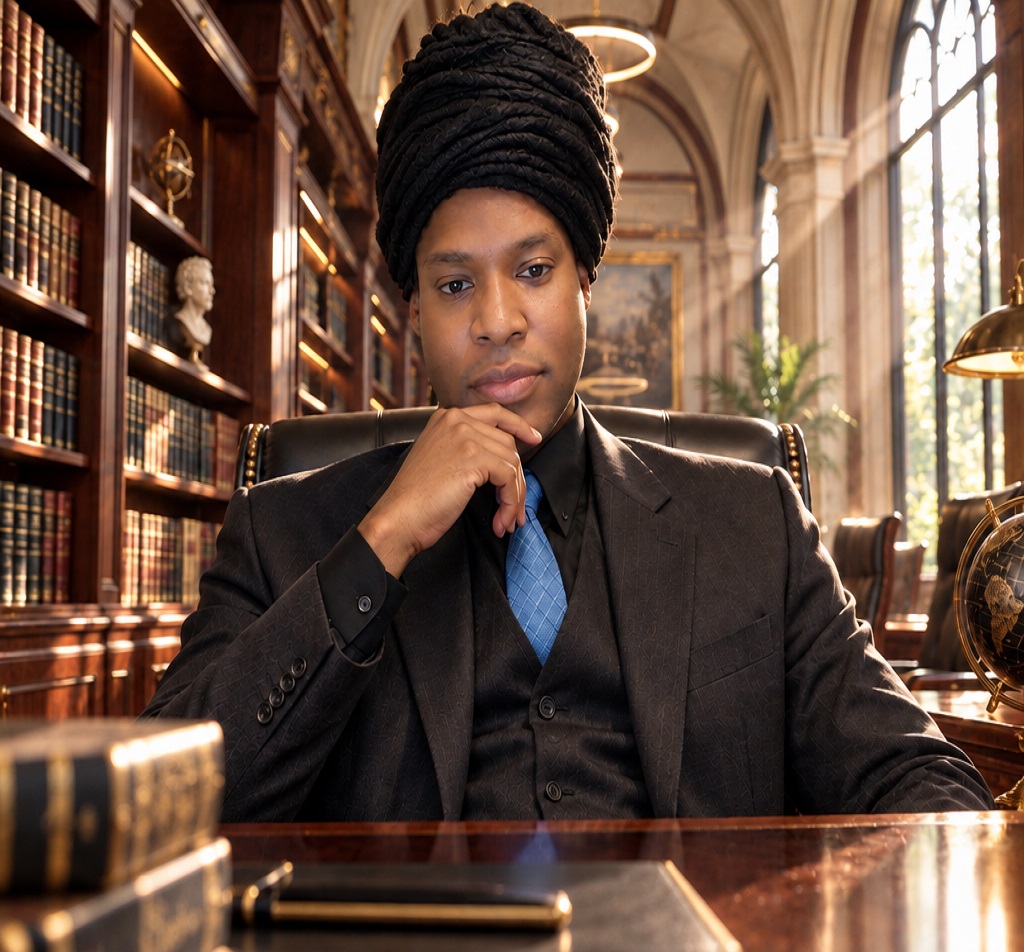
Bandile Ndzishe is the CEO, Founder, and Global Consulting CMO of Bandzishe Group, a premier global consulting firm distinguished for pioneering strategic marketing innovations and driving transformative market solutions worldwide. He holds three business administration degrees: an MBA, a Bachelor of Science in Business Administration, and an Associate of Science in Business Administration.
With over 30 years of hands-on expertise in marketing strategy, Bandile is recognised as a leading authority across the trifecta of Strategic Marketing, Daily Marketing Management, and Digital Marketing. He is also recognised as a prolific growth driver and a seasoned CMO-level marketer.
Bandile has earned a strong reputation for delivering strategic marketing and management services that guarantee measurable business results. His proven ability to drive growth and consistently achieve impactful outcomes has established him as a well-respected figure in the industry.
As an AI-empowered and an AI-powered marketer, I bring two distinct strengths to the table: empowered by AI to achieve my marketing goals more effectively, whilst leveraging AI as a tool to enhance my marketing efforts to deliver the desired growth results. My professional focus resides at the nexus of artificial intelligence and strategic marketing, where I explore the profound and enduring synergy between algorithmic intelligence and market engagement.
Rather than pursuing ephemeral trends, I examine the fundamental tenets of cognitive augmentation within marketing paradigms. I analyse how AI's capacity for predictive analytics, bespoke personalisation, and autonomous optimisation precipitates a transformative evolution in consumer interaction and brand stewardship. By extension, I seek to comprehend the strategic applications of artificial intelligence in empowering human capability and fostering innovation for sustainable societal advancement.
In essence, I explore how AI augments human decision-making and strategic problem-solving in both marketing and other domains of life. This is not merely an interest in technological novelty, but a rigorous investigation into the strategic implications of AI's integration into the contemporary principles of marketing practice and its potential to reshape decision-making frameworks, rearchitect strategic problem-solving paradigms, enhance strategic foresight, and influence outcomes in diverse areas beyond the marketing sphere.